


Your DevOps Pipeline Is Already a Sustainability Program
During my doctoral research on modern engineering practices and operational efficiency, one pattern kept surfacing that I did not expect to find. The engineering teams making the most measurable progress on sustainability were not the ones that had appointed green committees. They were the ones running tight DevOps discipline: right-sized fleets, lean pipelines, tuned alerting, […]
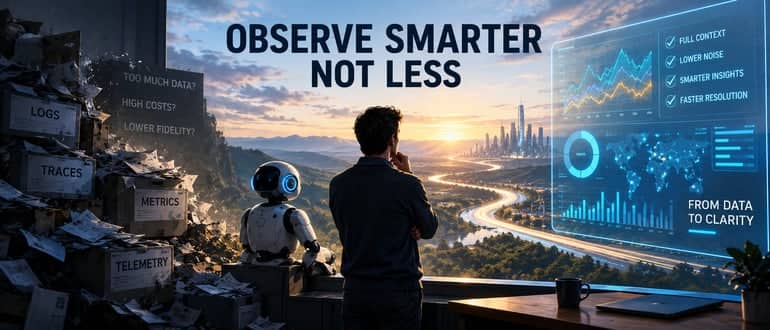
Observability’s Gaslighting Problem: “Send Less Data” Isn’t a Strategy
A familiar pattern is emerging in observability conversations. As telemetry volumes grow and costs rise, the default recommendation is often to collect less data: Sample more, retain less, index selectively, filter earlier, and reduce cardinality until the economics become manageable. Some of this is reasonable. No system benefits from unlimited accumulation without curation. But when […]
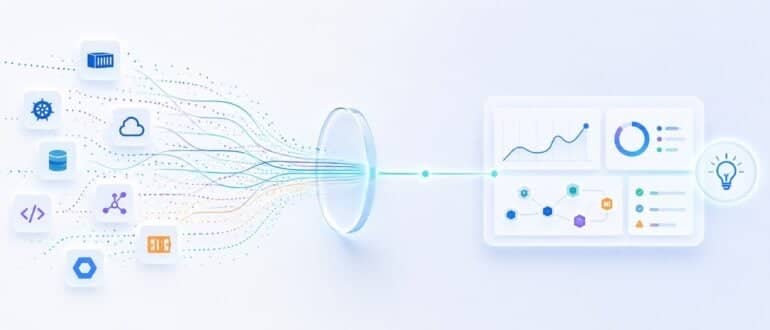
Observability 2.0: Why DevOps Teams Are Moving From Monitoring to Intelligent System Understanding
For a long time, monitoring just meant staring at dashboards and waiting for something to flash red. Engineers tracked things like CPU usage, memory, response times, error rates, and uptime. If a number crossed a certain line, you’d get an alert. Then, someone dived in to figure out what was wrong. That basic approach isn’t […]
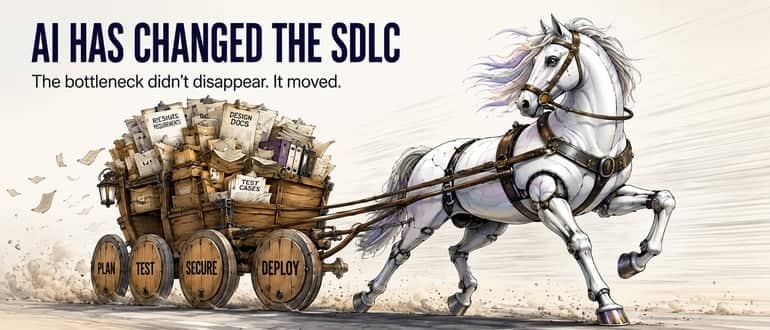
From the Horse’s Mouth: Anthropic Says AI Has Changed the SDLC
Anthropic’s AI-native SDLC playbook argues that faster coding is shifting the bottleneck to planning, testing, governance, deployment and operations.

GitOps in 2026: Why Pull Requests Are Taking Over Cloud Operations
For years, cloud infrastructure changes were mostly a mystery. An engineer would log into a dashboard, tweak a setting, run a few scripts, and that was it. Nobody worried until something broke. Suddenly, everyone wanted answers. Who changed this? Was it tested? Can we fix it? How did production end up out of sync with […]
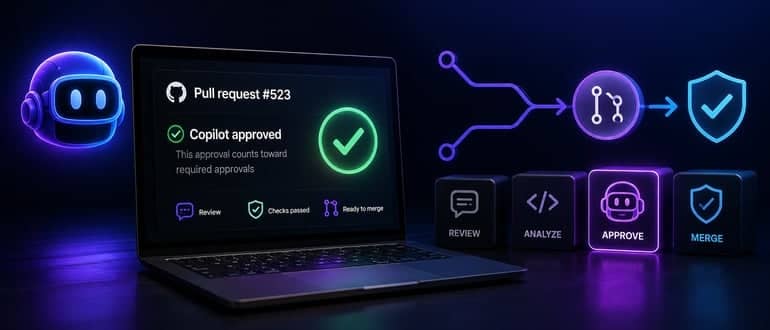
GitHub Puts Copilot in the Approval Seat for Pull Requests
GitHub Copilot can now submit binding pull request approvals, moving AI code review from advisory feedback into the merge decision itself.
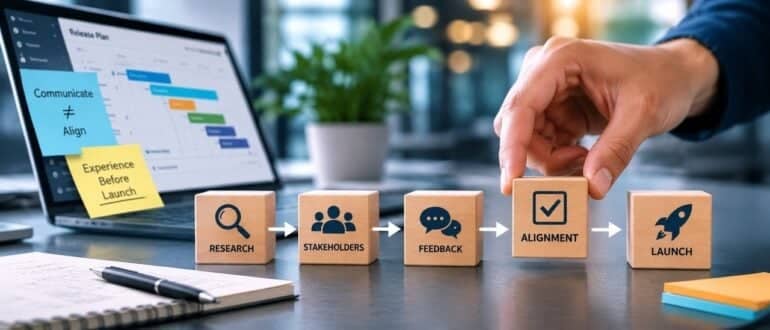
Informing Stakeholders Isn’t the Same as Aligning Them
The first sign of trouble was a screenshot. We’d just switched on the A/B test via our feature management platform. Within the hour, a senior stakeholder landed in the variant feature flag, opened the app on their own phone, and sent us an image of it. The message, more or less: “Why is there a […]

Trusted Open Source Catalogs for AI and Developers
Leslie Pascual of ActiveState joins Alan Shimel to explain why trusted open source catalogs — not after-the-fact scanners — are becoming table stakes as AI agents pull components at machine speed.

Debian’s AI Vote Bets on Accountability Instead of a Ban
Debian’s new AI contribution policy avoids bans and mandatory disclosure, instead making developers responsible for reviewing AI-generated work and protecting sensitive data.
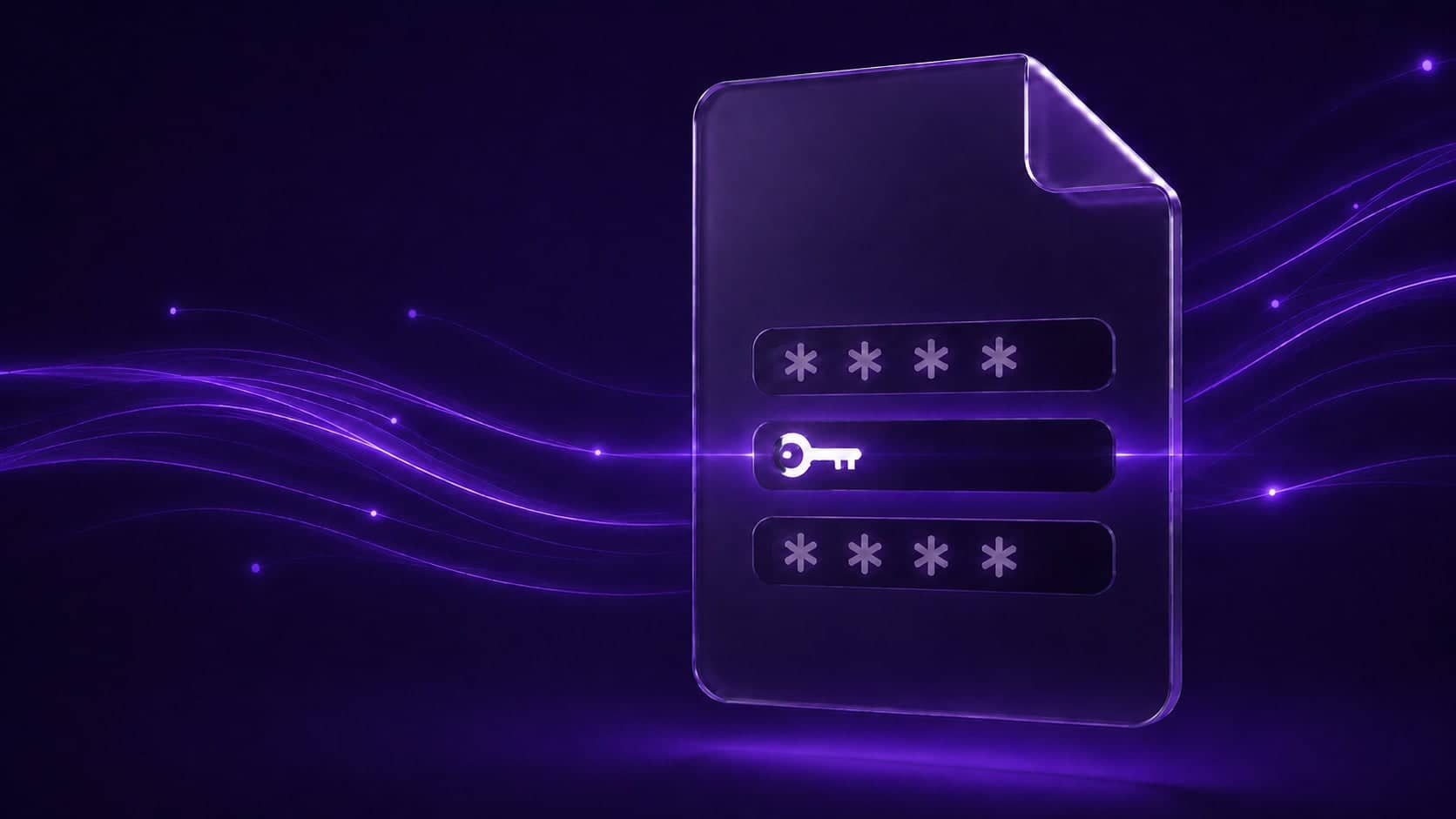
Lunar Cyber Launches Token Exposure Monitoring as Infostealers Target Developer and AI Credentials
Bnei Brak, Israel, 31st August 2026, CyberNewswire
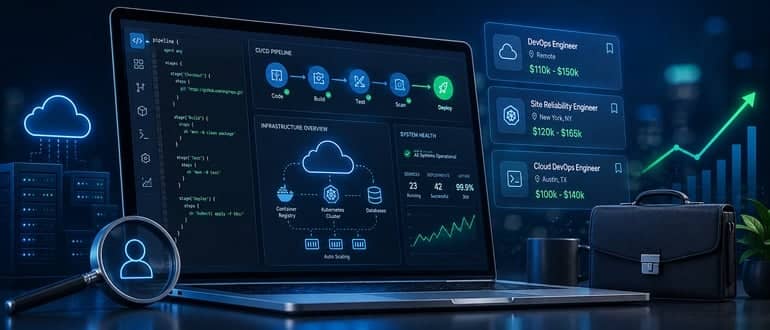
Ten Great DevOps Job Opportunities
DevOps.com is now providing a weekly DevOps jobs report through which opportunities for DevOps professionals will be highlighted as part of an effort to better serve our audience. Our goal in these challenging economic times is to make it just that much easier for DevOps professionals to advance their careers. Of course, the pool of […]
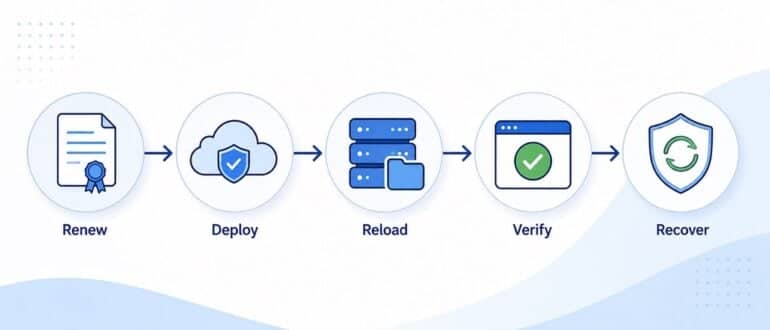
Certificate Renewal Is a Deployment Workflow, Not a Cron Job
Certificate renewal is often treated as a scheduled task: run an ACME client, obtain a new certificate, and move on. In practice, that view is too narrow for production systems. A certificate is not useful because it exists on disk. It is useful because the right service is presenting it to users. Between issuance and […]
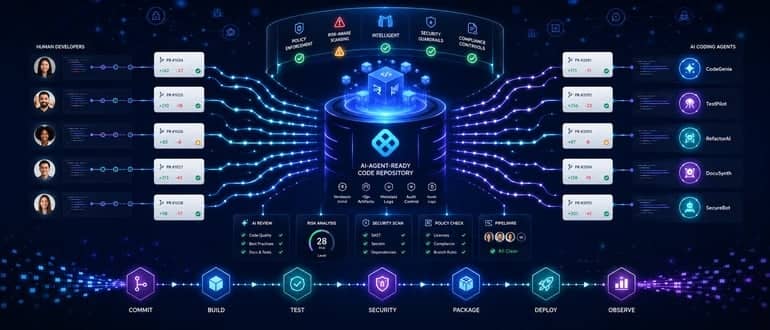
Harness Unfurls Source Code Repository Alternative to GitHub
Harness today launched a code repository service that is specifically designed for DevOps teams that are relying on artificial intelligence (AI) agents to generate code. Martin Reynolds, Field CTO for Harness, said the Agent-Ready Harness Code Repository and AI Code Review service provides an alternative to existing GitHub source code repositories that were not designed […]
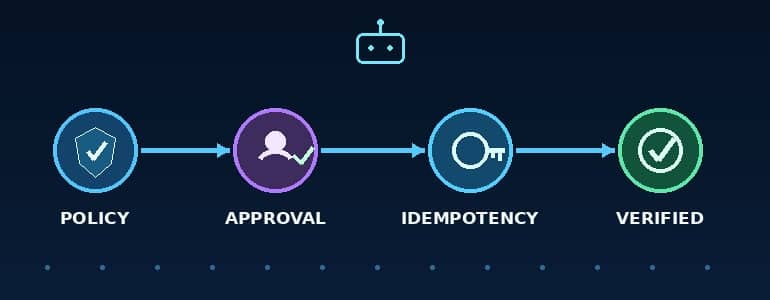
How to Build a Durable Change-Control Gate for AI Agents
AI agents that trigger real-world changes need more than confidence scores. A durable change-control gate should recheck policy, require approval for consequential actions, enforce idempotency and verify the result before retrying.
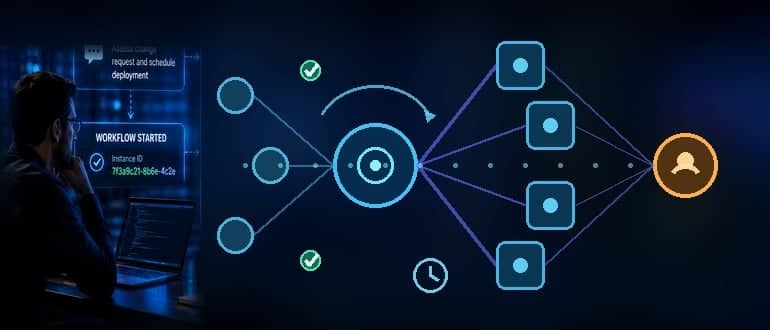
The Missing Runtime for Long-Running AI Agents
Enterprise AI agents need more than stronger models. They need durable execution environments that can coordinate multi-step workflows, survive failures, pause for human review and resume reliably after disconnects or delays. AI Agents Have Moved Beyond Chat Demos AI agents work beautifully in demos. A user asks a question, a large language model generates a […]
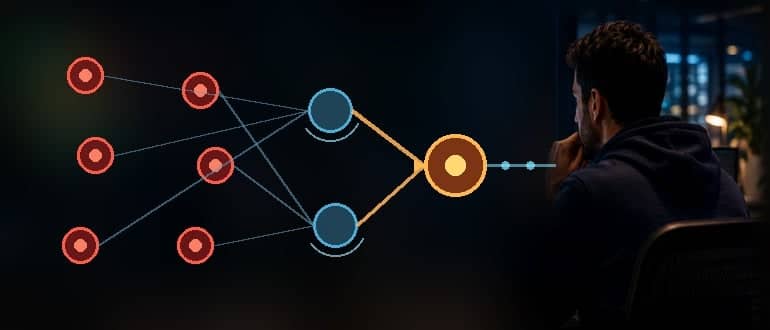
Automated Diagnosis Isn’t Automated Understanding: What Postmortems Teach Us About Building Trustworthy Incident AI
AI incident tools can reduce alert noise, but real root-cause diagnosis requires causal reasoning, live dependency context, uncertainty handling and strong postmortem data.

Your AI Coding Budget Is Becoming a Variable Cloud Bill
AI coding assistants are becoming a variable, usage-based engineering cost, forcing platform and DevOps teams to apply FinOps practices to models, credits, utilization and multi-vendor spend.

Is Java Enterprise Ready for AI? Absolutely
AI is transforming software engineering. For enterprise Java developers, the key question is whether Java and Jakarta EE are prepared to integrate AI into enterprise applications. The answer is yes. Java and Jakarta EE already support integration of Large Language Models (LLMs) and AI capabilities through existing APIs, libraries, and frameworks. Developers can continue using […]
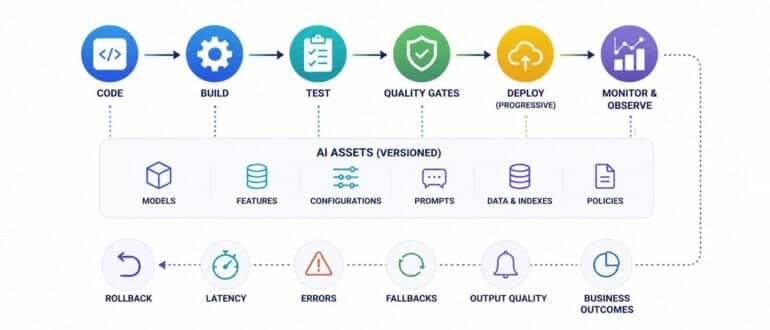
CI/CD for AI-Enabled Applications: Why Traditional Deployment Pipelines Need to Evolve
Traditional CI/CD pipelines are optimized around a familiar assumption: source code changes, automated tests validate the change, a build artifact is produced, and the application is promoted through environments. AI-enabled applications complicate that model because production behavior can change even when application code does not. A new model version, feature transformation, prompt configuration, retrieval index […]
The AI Agent Race Is On. But Are We Watching the Right Race?
Claude Code, OpenAI Codex, GitHub Copilot, Cursor and a growing field of challengers are competing to define the future of software development. A new Techstrong special report examines who is ahead, how the race should be measured and what enterprises need to consider before placing their bets. Which AI coding agent is winning? It sounds […]

Ten Great DevOps Job Opportunities
DevOps.com is now providing a weekly DevOps jobs report through which opportunities for DevOps professionals will be highlighted as part of an effort to better serve our audience. Our goal in these challenging economic times is to make it just that much easier for DevOps professionals to advance their careers. Of course, the pool of […]
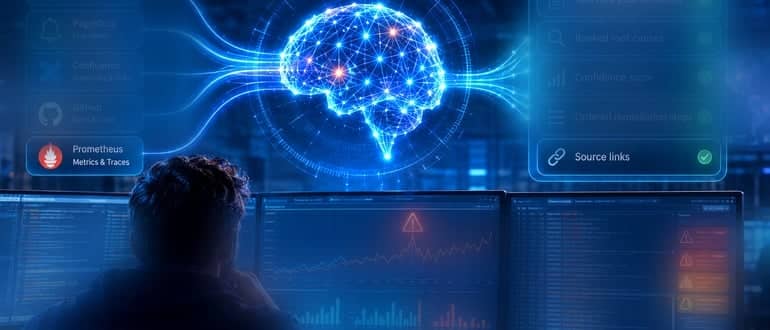
Beyond Log Search: What We Learned Building a RAG-Based Incident Diagnosis System
A RAG-based AIOps framework can cut incident diagnosis time by grounding LLM reasoning in real runbooks, tickets and postmortems, improving root-cause accuracy while giving SREs source-backed answers they can trust
Transforming Mainframe Recovery
Moving beyond disaster recovery, organizations can ensure business-critical mainframe environments. Over decades, the mainframe has earned a reputation for being synonymous with reliability. Many enterprise organizations continue to rely on the mainframe precisely because of the redundancy, automatic recovery, and availability that leads to “nine nines” reliability or 31.56 milliseconds of unplanned annual downtime per […]